
Continuing Medical Education Courses
Enhance your clinical expertise through accredited Continuing Medical Education programs designed for healthcare professionals.

Principles of CSSD
The Principles of Central Sterile Services Department (CSSD) course is a Continuing Medical Education (CME) program designed to provide healthcare professionals with the essential knowledge and practical understanding of sterile processing and infection prevention within healthcare facilities. The course covers internationally recognized principles and best practices for the decontamination, inspection, preparation, packaging, sterilization, storage, and distribution of reusable medical devices and surgical instruments.
Participants will gain an understanding of the critical role of CSSD in preventing healthcare-associated infections (HAIs), ensuring patient safety, and supporting high-quality clinical care. The program also addresses quality assurance, sterilization monitoring, documentation, occupational safety, and compliance with international standards and regulatory requirements.
Through interactive lectures, case discussions, and practical demonstrations, learners will strengthen their competencies in maintaining sterile supply processes and implementing evidence-based practices within hospitals, ambulatory care centers, and other healthcare settings.
Target Audience:
- CSSD Technicians and Supervisors
- Nurses
- Operating Room Personnel
- Infection Prevention and Control Professionals
- Healthcare Assistants
- Biomedical and Clinical Support Staff
- Healthcare Quality Professionals
- Allied Healthcare Professionals involved in reprocessing medical devices
Advanced Infection Control & Prevention (AICP)
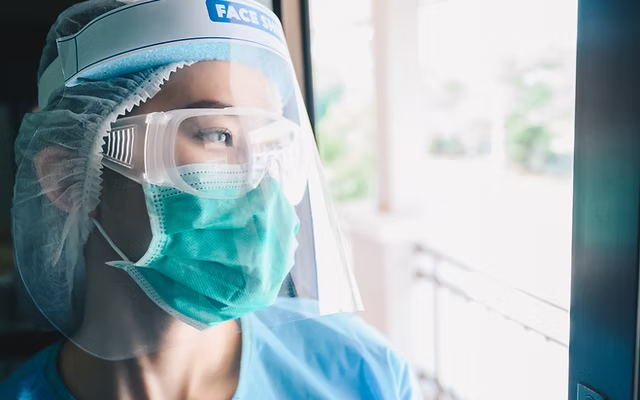
The Advanced Infection Control & Prevention (AICP) Continuing Medical Education (CME) course is designed to enhance the knowledge and competencies of healthcare professionals in implementing evidence-based infection prevention and control practices across healthcare settings. The program provides an in-depth review of current international guidelines and best practices for preventing and controlling healthcare-associated infections (HAIs), promoting patient safety, and ensuring compliance with regulatory and accreditation standards.
Participants will explore advanced topics including the chain of infection, standard and transmission-based precautions, hand hygiene, personal protective equipment (PPE), environmental cleaning and disinfection, sterilization and disinfection principles, outbreak investigation, antimicrobial resistance (AMR), occupational exposure management, surveillance systems, and quality improvement strategies for infection prevention programs.
Through case-based discussions and practical applications, participants will strengthen their ability to identify infection risks, implement effective prevention measures, respond to emerging infectious threats, and foster a culture of safety within healthcare organizations.
Target Audience:
- Physicians
- Nurses
- Infection Prevention and Control Professionals
- Allied Healthcare Professionals
- Dentists
- Pharmacists
- Laboratory Personnel
- Healthcare Quality and Patient Safety Professionals
- Healthcare Administrators and Clinical Supervisors

International Patient Safety Goals (IPSG)
The International Patient Safety Goals (IPSG) Continuing Medical Education (CME) course is designed to equip healthcare professionals with the knowledge and practical skills required to implement internationally recognized patient safety practices that reduce preventable harm and improve the quality of healthcare delivery. Based on globally accepted patient safety principles and accreditation standards, the course emphasizes the systematic application of the International Patient Safety Goals to enhance patient outcomes and foster a culture of safety across healthcare settings.
Participants will gain a comprehensive understanding of the six International Patient Safety Goals, including accurate patient identification, effective communication among caregivers, medication safety, safe surgical practices, infection prevention, and the prevention of patient falls and other safety risks. The course also highlights the importance of teamwork, safety culture, incident reporting, root cause analysis, and continuous quality improvement in achieving excellence in patient care.
Through interactive discussions, real-world case studies, and practical examples, participants will develop the competencies needed to identify patient safety risks, implement evidence-based safety interventions, comply with accreditation requirements, and contribute to safer healthcare systems.
Target Audience:
- Physicians
- Nurses
- Allied Healthcare Professionals
- Pharmacists
- Dentists
- Laboratory Professionals
- Radiology Professionals
- Infection Prevention and Control Professionals
- Healthcare Quality and Risk Management Professionals
- Healthcare Administrators and Clinical Supervisors

Documentation & Patient Care Reports (DPCR)
The Documentation and Patient Care Reports (DPCR) Continuing Medical Education (CME) course is designed to enhance healthcare professionals’ knowledge and skills in accurate, complete, and legally appropriate clinical documentation. Effective documentation is a fundamental component of safe patient care, continuity of treatment, communication among healthcare teams, quality improvement, and healthcare compliance.
This course provides participants with a comprehensive understanding of the principles of clinical documentation, with particular emphasis on the preparation and management of Patient Care Reports (PCR) in pre-hospital and emergency healthcare environments. Participants will learn how to accurately record patient assessment findings, clinical decision-making, interventions performed, patient responses, and transfer of care information while maintaining professional, ethical, and regulatory standards.
The program highlights the importance of documentation accuracy, completeness, confidentiality, data integrity, and the role of PCRs in patient safety, clinical audits, research, quality assurance, and legal protection. Through case studies and practical examples, participants will develop the ability to produce clear, objective, and high-quality patient records that support effective healthcare delivery.
Target Audience:
- Emergency Medical Technicians (EMTs)
- Paramedics
- Nurses
- Physicians
- Allied Healthcare Professionals
- Ambulance and Emergency Response Personnel
- Healthcare Quality and Risk Management Professionals
- Clinical Supervisors and Healthcare Educators

Mental Health at Work
The Mental Health at Work Continuing Medical Education (CME) course is designed to enhance healthcare professionals’ awareness, knowledge, and skills in promoting mental health and psychological well-being within the workplace. The program focuses on recognizing workplace mental health challenges, reducing stigma, supporting employees experiencing psychological stress, and creating healthier, safer, and more supportive work environments.
This course provides an overview of common workplace mental health concerns, including occupational stress, burnout, compassion fatigue, workplace anxiety, and emotional challenges associated with demanding professional roles. Participants will learn evidence-based approaches to improve resilience, communication, psychological safety, and early identification of mental health concerns among colleagues and healthcare teams.
Through interactive discussions, practical scenarios, and workplace-based strategies, participants will develop the ability to promote a culture of well-being, support effective coping strategies, encourage help-seeking behaviors, and contribute to improved employee satisfaction, teamwork, and quality of care.
Target Audience:
- Physicians
- Nurses
- Allied Healthcare Professionals
- Healthcare Managers and Supervisors
- Human Resource Professionals
- Occupational Health Professionals
- Healthcare Educators
- Team Leaders and Workplace Safety Representatives
Early Detection & Prevention of Disease
The Early Detection and Prevention of Disease Continuing Medical Education (CME) course is designed to enhance healthcare professionals’ knowledge and skills in identifying early signs and risk factors associated with common diseases and implementing effective prevention strategies. Early recognition, timely intervention, and preventive healthcare measures play a critical role in reducing disease burden, improving patient outcomes, and promoting population health.
This course provides an evidence-based overview of disease prevention principles, health risk assessment, screening approaches, lifestyle modification, and early intervention strategies. Participants will explore the importance of preventive healthcare, health promotion, patient education, and the role of healthcare professionals in reducing the impact of chronic and communicable diseases.
Through interactive discussions, clinical examples, and practical applications, participants will strengthen their ability to recognize warning signs, support early diagnosis, promote healthy behaviors, and contribute to improved healthcare outcomes through proactive disease prevention practices.
Target Audience:
- Physicians
- Nurses
- Allied Healthcare Professionals
- Public Health Professionals
- Healthcare Educators
- Community Health Workers
- Primary Care Professionals
- Healthcare Quality and Patient Safety Professionals
Diet & Oral Health
The Diet & Oral Health Continuing Medical Education (CME) course is designed to enhance healthcare professionals’ understanding of the relationship between nutrition, dietary habits, and oral health outcomes. The program emphasizes the importance of balanced nutrition, preventive oral healthcare, and patient education in reducing the risk of oral diseases and promoting overall health and well-being.
This course explores the impact of dietary patterns, essential nutrients, sugar consumption, hydration, and lifestyle choices on oral health. Participants will gain knowledge of common oral health conditions related to nutrition, including dental caries, periodontal disease, and oral health complications associated with poor dietary practices. The course also highlights the role of healthcare professionals in providing appropriate guidance, early identification of oral health risks, and promoting integrated approaches to patient care.
Through evidence-based discussions and practical applications, participants will develop the skills needed to support oral health promotion, encourage healthy dietary behaviors, and improve patient outcomes through preventive strategies.
Target Audience:
- Physicians
- Nurses
- Dentists and Dental Healthcare Professionals
- Dietitians and Nutrition Professionals
- Allied Healthcare Professionals
- Community Health Professionals
- Healthcare Educators
- Primary Care Providers

Healthcare-Associated Infection (HAI)
The Health Care-Associated Infection (HAI) Continuing Medical Education (CME) course is designed to provide healthcare professionals with comprehensive knowledge and practical strategies for preventing, identifying, and controlling infections acquired within healthcare settings. The program focuses on evidence-based infection prevention and control practices that support patient safety, reduce infection risks, and improve the quality of healthcare delivery.
This course provides an overview of the epidemiology, risk factors, and impact of healthcare-associated infections, including common types of HAIs, modes of transmission, surveillance principles, and prevention strategies. Participants will explore the importance of standard precautions, hand hygiene, personal protective equipment (PPE), environmental cleaning, device-associated infection prevention, antimicrobial stewardship, and outbreak management.
Through case-based learning and practical discussions, participants will enhance their ability to recognize infection risks, implement effective control measures, support HAI surveillance activities, and contribute to a culture of safety and continuous quality improvement within healthcare organizations.
Target Audience:
- Physicians
- Nurses
- Infection Prevention and Control Professionals
- Allied Healthcare Professionals
- Laboratory Professionals
- Pharmacists
- Healthcare Quality and Patient Safety Professionals
- Healthcare Administrators and Supervisors
- Clinical Support Staff
Medication Safety, Handling and Administration
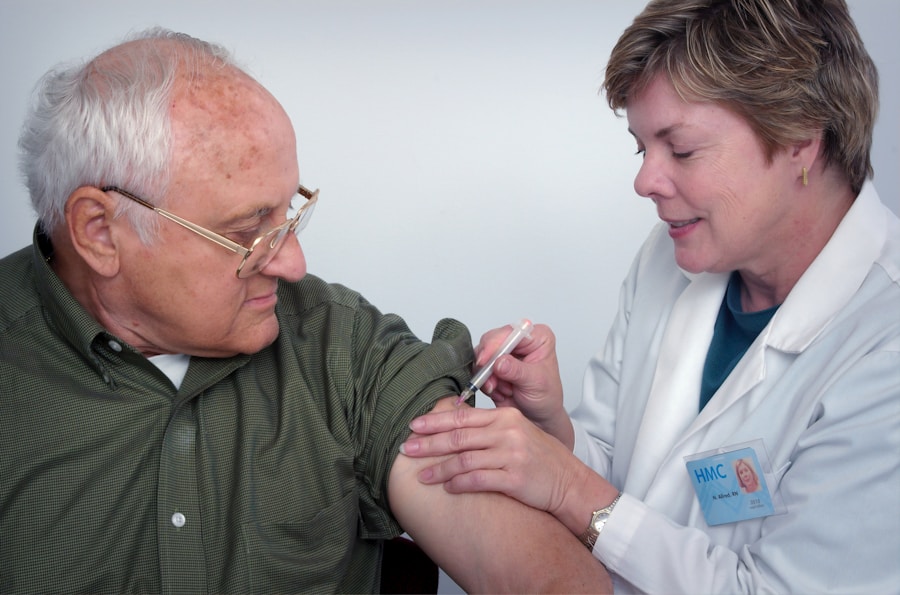
The Medication Safety, Handling and Administration Continuing Medical Education (CME) course is designed to enhance healthcare professionals’ knowledge and competency in the safe management, preparation, and administration of medications. The program focuses on evidence-based medication safety practices aimed at reducing medication errors, improving patient outcomes, and promoting a culture of safety within healthcare organizations.
This course provides a comprehensive overview of the medication-use process, including medication storage, handling, preparation, administration techniques, documentation, monitoring, and error prevention strategies. Participants will explore key concepts such as the rights of medication administration, high-alert medications, look-alike/sound-alike (LASA) medications, controlled medications, adverse drug reactions, medication reconciliation, and reporting of medication incidents.
Through interactive discussions, clinical scenarios, and practical applications, participants will develop the skills required to identify medication-related risks, apply safe medication practices, communicate effectively with healthcare teams, and ensure compliance with patient safety standards and regulatory requirements.
Target Audience:
- Physicians
- Nurses
- Pharmacists
- Emergency Medical Technicians (EMTs)
- Paramedics
- Allied Healthcare Professionals
- Healthcare Assistants involved in medication support
- Clinical Supervisors and Educators
- Healthcare Quality and Patient Safety Professionals
Ethical & Legal Practice in Healthcare
Understand ethical decision-making, patient rights, confidentiality, informed consent, professional accountability, and legal responsibilities.
CME Accredited Register Now
Dialysis Management & Technology
Develop knowledge of dialysis procedures, patient assessment, equipment operation, infection prevention, and technological advancements in renal care.
CME Accredited Register Now
Pre Hospital Emergency Care
Learn essential emergency care techniques including patient assessment, trauma management, emergency stabilization, transport procedures, and life-saving interventions.
CME Accredited Register Now
Basics of Aesthetic Dentistry
Gain an introduction to smile design, cosmetic dental procedures, restorative techniques, patient assessment, and treatment planning.
CME Accredited Register Now
Wound Care Principles & Management
The Wound Care Principles & Management Continuing Medical Education (CME) course is designed to provide healthcare professionals with essential knowledge and evidence-based approaches for the assessment, prevention, and management of acute and chronic wounds. The program focuses on current wound care principles, clinical decision-making, and best practices to promote effective healing, prevent complications, and improve patient outcomes.
This course provides a comprehensive overview of wound assessment, wound classification, factors affecting healing, infection prevention, wound dressing selection, and advanced management strategies. Participants will explore the principles of wound bed preparation, moisture balance, pressure injury prevention, diabetic wound care, and the multidisciplinary approach required for successful wound management.
Through interactive discussions, clinical case studies, and practical applications, participants will enhance their ability to assess wound conditions, select appropriate interventions, recognize complications, and provide safe, patient-centered wound care aligned with evidence-based guidelines.
Target Audience:
- Physicians
- Nurses
- Wound Care Specialists
- Emergency Medical Technicians (EMTs) and Paramedics
- Allied Healthcare Professionals
- Infection Prevention and Control Professionals
- Healthcare Assistants
- Rehabilitation Professionals
- Clinical Educators and Supervisors

Pain Management & Narcotic Information
The Pain Management & Narcotic Information Continuing Medical Education (CME) course is designed to provide healthcare professionals with comprehensive knowledge of pain assessment, evidence-based pain management strategies, and the safe use of controlled medications, including narcotic (opioid) analgesics. The program emphasizes a patient-centered approach to pain care while promoting safe prescribing practices, medication safety, regulatory compliance, and prevention of opioid-related risks.
This course provides an overview of pain physiology, classification of pain, pain assessment tools, pharmacological and non-pharmacological treatment approaches, and principles of multimodal pain management. Participants will gain an understanding of opioid medications, indications, precautions, adverse effects, dependency risks, monitoring requirements, and the importance of responsible medication management.
Through clinical case discussions and practical applications, participants will enhance their ability to assess pain effectively, develop appropriate management strategies, educate patients regarding medication use, and contribute to safe and effective pain control practices within healthcare settings.
Target Audience:
- Physicians
- Nurses
- Pharmacists
- Emergency Medical Technicians (EMTs) and Paramedics
- Allied Healthcare Professionals
- Pain Management Specialists
- Healthcare Providers involved in patient care and medication administration
- Clinical Supervisors and Educators

Manual Therapy Techniques
The Manual Therapy Techniques Continuing Medical Education (CME) course is designed to provide healthcare professionals with an understanding of evidence-based manual therapy principles and their application in the assessment and management of musculoskeletal conditions. The program introduces participants to fundamental manual therapy concepts, clinical reasoning, patient assessment, and safe therapeutic techniques used to improve mobility, reduce discomfort, and enhance functional outcomes.
This course explores the principles of hands-on therapeutic approaches, including soft tissue techniques, joint mobilization concepts, stretching methods, movement assessment, and patient-centered rehabilitation strategies. Participants will gain knowledge of indications, contraindications, safety considerations, and the importance of integrating manual therapy with exercise, rehabilitation, and multidisciplinary care.
Through interactive learning, demonstrations, and clinical case discussions, participants will develop a better understanding of manual therapy applications and their role in supporting functional recovery, improving quality of life, and optimizing patient care.
Target Audience:
- Physiotherapists
- Rehabilitation Professionals
- Physicians
- Nurses
- Allied Healthcare Professionals
- Sports Medicine Professionals
- Occupational Therapists
- Healthcare Providers involved in musculoskeletal care

Oral Hygiene & Deep Cleaning
The Oral Hygiene & Deep Cleaning Continuing Medical Education (CME) course is designed to enhance healthcare professionals’ understanding of comprehensive oral care practices, preventive oral health strategies, and the principles of professional dental cleaning procedures. The program focuses on maintaining oral health, preventing periodontal disease, reducing oral infection risks, and improving patient outcomes through effective oral hygiene management.
This course provides an overview of oral hygiene assessment, plaque and calculus formation, periodontal health, professional cleaning principles, and the importance of regular oral care in preventing dental and systemic complications. Participants will gain knowledge of proper oral hygiene techniques, patient education methods, indications for deep cleaning procedures, including scaling and root planing, and the role of healthcare professionals in supporting oral health promotion.
Through interactive discussions, clinical examples, and practical demonstrations, participants will develop the skills needed to recognize oral health risks, promote preventive care, support patient compliance, and contribute to improved oral and overall health outcomes.
Target Audience:
- Dentists and Dental Healthcare Professionals
- Dental Hygienists
- Nurses
- Physicians
- Allied Healthcare Professionals
- Healthcare Assistants
- Caregivers
- Community Health Professionals
- Primary Care Providers
Basic Oral Anatomy
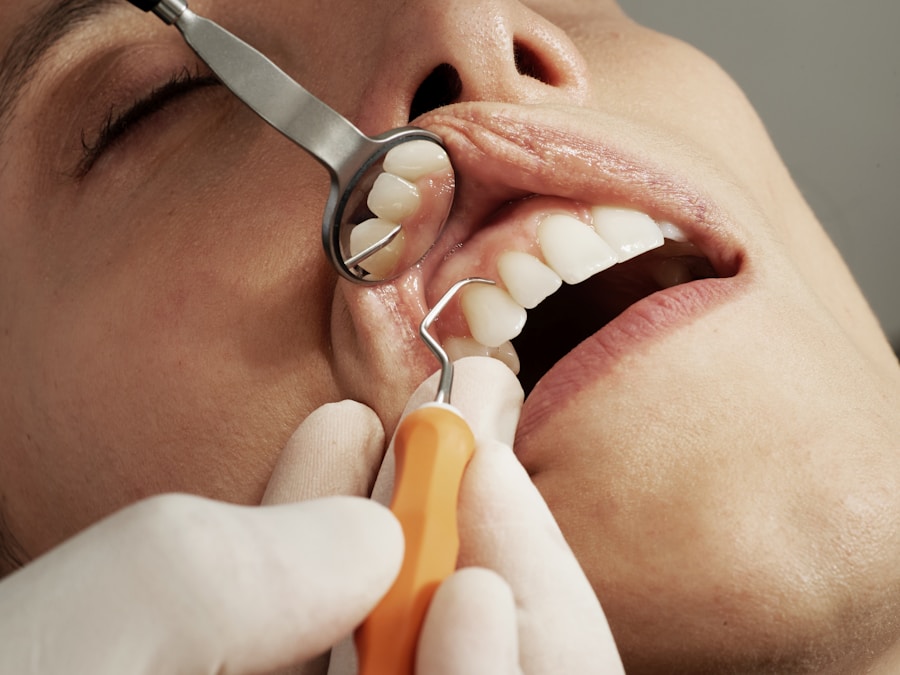
The Basic Oral Anatomy Continuing Medical Education (CME) course is designed to provide healthcare professionals with fundamental knowledge of the anatomy and structure of the oral cavity and its related systems. Understanding oral anatomy is essential for recognizing normal oral structures, identifying common abnormalities, supporting effective patient assessment, and promoting comprehensive healthcare delivery.
This course provides an overview of the anatomical components of the mouth, including teeth, gingiva, oral mucosa, tongue, salivary glands, jaw structures, and supporting tissues. Participants will gain an understanding of the relationship between oral structures and overall health, as well as the importance of oral assessment in preventive healthcare and clinical practice.
Through interactive learning and clinical examples, participants will develop the ability to recognize basic oral anatomy, understand normal variations, identify potential oral health concerns, and enhance collaboration with dental and healthcare professionals.
Target Audience:
- Physicians
- Nurses
- Dentists and Dental Healthcare Professionals
- Allied Healthcare Professionals
- Healthcare Assistants
- Community Health Professionals
- Primary Care Providers
- Healthcare Educators

Biological Effects of Radiation
The Biological Effects of Radiation Continuing Medical Education (CME) course is designed to provide healthcare professionals with a comprehensive understanding of the interaction between ionizing radiation and biological systems. The program focuses on the principles of radiation biology, mechanisms of cellular damage, health effects of radiation exposure, and strategies for radiation protection and safety in healthcare environments.
This course explores the effects of radiation at the cellular, tissue, and whole-body levels, including deterministic and stochastic effects, radiation sensitivity of different tissues, occupational exposure risks, and the importance of applying radiation protection principles in clinical practice. Participants will gain knowledge of radiation safety practices that support patient protection, healthcare worker safety, and compliance with regulatory requirements.
Through evidence-based discussions, clinical examples, and practical applications, participants will enhance their ability to recognize radiation-related risks, apply protective measures, and contribute to a culture of safety in healthcare settings where radiation is used.
Target Audience:
- Physicians
- Radiologists and Radiology Professionals
- Radiologic Technologists
- Nurses
- Radiation Safety Officers
- Medical Physicists
- Allied Healthcare Professionals
- Healthcare Workers involved in diagnostic imaging and radiation procedures
Why Healthcare Professionals Choose Best Ways Training
We provide internationally recognized healthcare education with practical training, experienced instructors, and globally accepted certifications that help you build confidence and advance your career.

Expert Trainers
Learn from experienced healthcare professionals with extensive clinical and teaching expertise.

International Certification
Receive globally recognized certifications accepted by leading healthcare organizations.

Hands-on Practical Training
Practice real-world emergency scenarios using advanced medical equipment and CPR manikins.

Industry Standard Curriculum
Courses are designed according to the latest international healthcare and emergency care guidelines.

Flexible Schedules
Weekend and weekday batches are available to suit students and working professionals.

Trusted Training Center
Thousands of successful learners have enhanced their careers through our quality training programs.